On this page
If you have started shopping for new kitchen or bathroom cabinets in the Phoenix area, you have probably run into three terms thrown around as if they are the same kind of choice: inset, overlay, and frameless. They are not. Two of them describe how a door sits on the cabinet, and one describes how the cabinet box itself is built. Sorting that out is the key to understanding what you are actually deciding between, and it keeps you from comparing apples to oranges when you walk a showroom or read a quote.
This guide breaks down both decisions in plain terms: framed versus frameless construction, and inset versus overlay doors. We will cover how each one looks, what it costs relative to the others, how it holds up in Phoenix's dry-then-humid climate, and which option tends to fit which kind of home. Superior Stone & Cabinet has been the Valley's one-stop cabinet shop for two decades, and everything here reflects how these choices play out in real Phoenix metro kitchens.
Cabinetry is typically the largest single line item in a kitchen remodel. That makes the construction and door style you choose one of the most consequential decisions in the entire project, and one of the hardest to change later.
The Two Decisions Hiding in This Question
When people ask whether they should get inset, overlay, or frameless cabinets, they are usually mixing together two separate questions. Once you separate them, the whole topic gets much easier to navigate.
Question one is about the box: framed or frameless. A framed cabinet has a flat face frame across the front edge of the box, like a picture frame around the opening. A frameless cabinet skips that frame entirely, so the front edge of the box is open.
Question two is about the door: on a framed cabinet, the door can be mounted as inset or as overlay. Inset means the door sits flush inside the frame opening. Overlay means the door rests on top of the frame and covers some or all of it. Frameless cabinets do not have this choice to make, with no frame to sit inside or on top of, the door simply covers the full front edge of the box, which is why frameless is always a full-overlay look by nature.
Framed vs. Frameless Construction
This is the foundational choice, because it affects the look, the interior space, the hardware, and which door styles are even available to you.
Framed Cabinets (Traditional American Construction)
Framed cabinets are the long-standing standard in American homes. A face frame made of solid wood stiles and rails is attached to the front of the box, and the doors and drawers mount to that frame. The frame adds rigidity and gives installers a solid edge to fasten to and shim against, which makes for clean alignment across a long run of cabinets.
The tradeoff is interior access. Because the frame slightly narrows the opening, drawers and roll-outs are a touch smaller than the full width of the box, and a center stile between paired doors can sit in the way of larger items. For most kitchens this is a minor consideration, and framed construction remains popular precisely because it is sturdy, familiar, and works with every door style, including inset, which can only be done on a framed box.
Frameless Cabinets (European or Full-Access Construction)
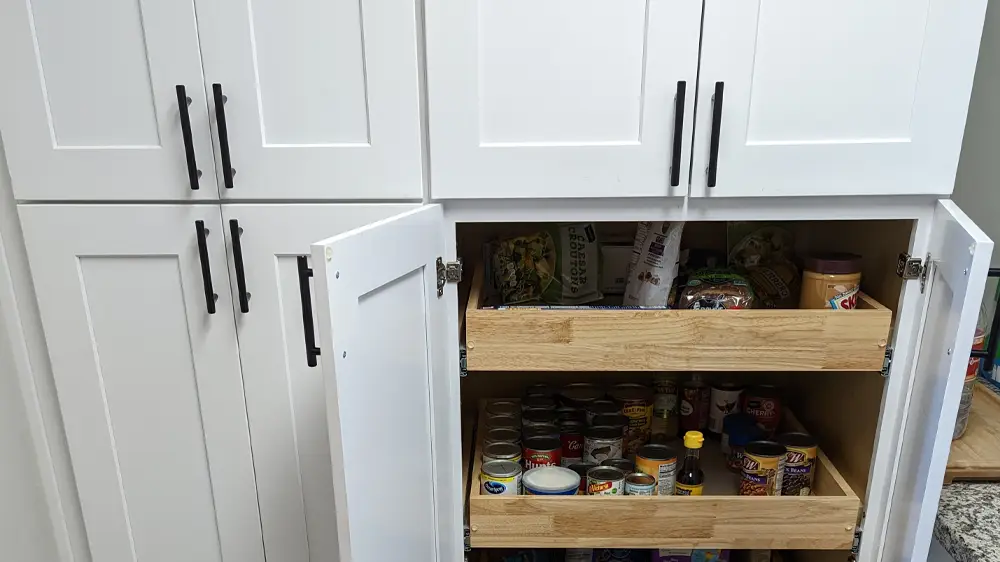
Frameless cabinets, sometimes called European or full-access cabinets, have no face frame. The doors attach directly to the sides of the box with concealed cup hinges, and the box panels are typically thicker to make up for the rigidity the frame would have provided. The result is a wider opening, easier reach into the back of the cabinet, and slightly larger drawer boxes.
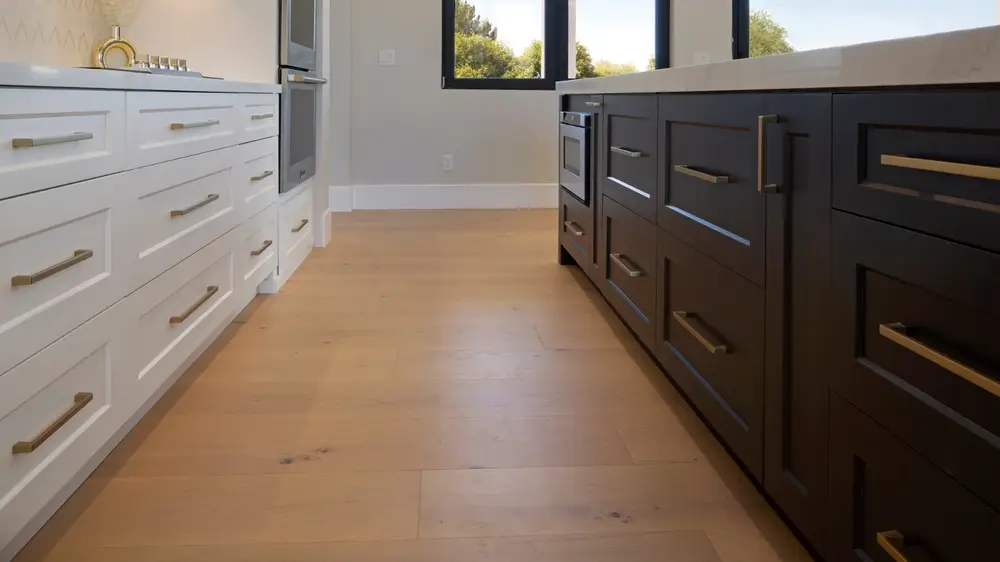
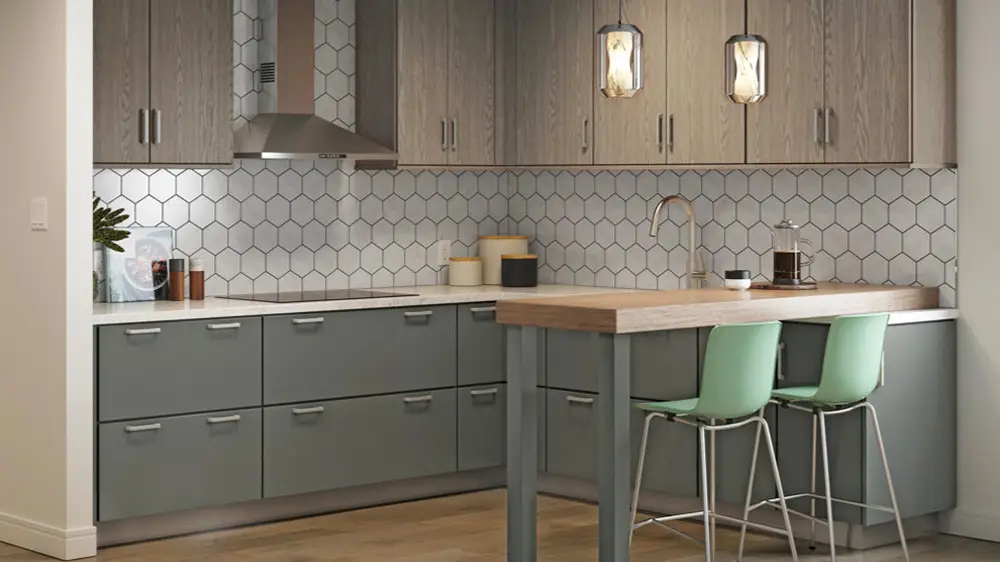
Visually, frameless reads clean and modern. With no frame showing and doors covering the full edge of the box, you get the tight, minimal-reveal look that defines contemporary and European kitchen design. The hinges are fully concealed and usually adjust in several directions, which makes fine-tuning door alignment straightforward over the life of the cabinet.
Framed: Best When
You want a traditional, transitional, or craftsman look; you are interested in inset doors; or you value the structural sturdiness and broad style range that framed construction offers. It pairs naturally with shaker, recessed-panel, and beaded door fronts.
Frameless: Best When
You want a modern, clean-lined kitchen; you want to squeeze the most usable storage and access out of each cabinet; or you are working in a smaller Valley kitchen or condo where wider drawers and full-access openings make a real difference day to day.
Inset Doors Explained
Inset is the most precise and, generally, the most expensive way to mount a cabinet door. The door and drawer fronts are built to fit flush inside the face frame opening, so when everything is closed, the fronts sit in the same plane as the frame rather than on top of it. The look is furniture-like and tailored, which is why inset shows up in high-end traditional, transitional, and craftsman kitchens.
There are two common variations. Flush inset sits clean inside the frame with no extra detailing. Beaded inset adds a decorative bead routed into the frame around each opening, a more formal, period-style detail.
What you trade for that look is cost and tolerance. Because each front has to be fitted precisely to its opening, inset requires more material and more labor than overlay, and it slightly reduces the size of the opening since the door takes up space within the frame rather than covering it. Inset is worth it when the craftsmanship is the point, but it asks more of both the cabinetry and the climate it lives in, which matters in Phoenix.
What customers say
Phoenix homeowners love the results.
Showed up at their showroom / warehouse… picked out a countertop easily, scheduled, installed 2 weeks later. PHENOMENAL quality of installation.
Matthew S. · GoogleWe were able to find a countertop that fit our larger island without any seams, and at a great price as well.
Doug M. · GoogleGreat selections with reasonable price and very helpful workers.
Han D. · Google




Overlay Doors: Partial vs. Full
Overlay doors rest on top of the face frame rather than inside it. This is the most common approach on framed cabinets, and it comes in two flavors that look quite different from each other.
Partial Overlay (Standard Overlay)
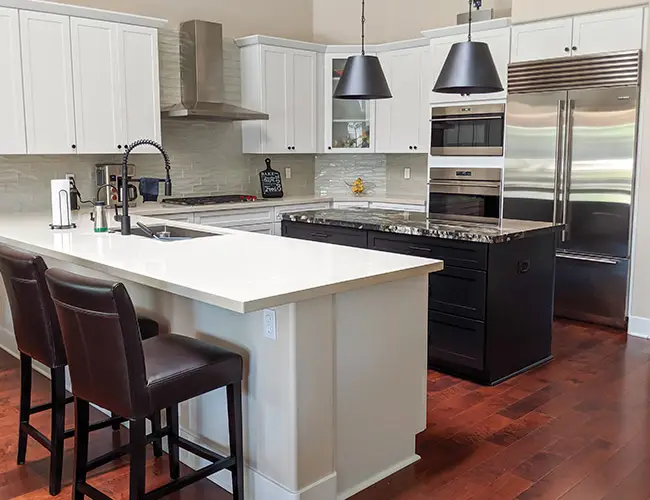
Partial overlay doors cover only part of the face frame, leaving a visible band of frame showing around and between the doors and drawers. This is the look most people picture when they think of older or builder-grade kitchens. There is a noticeable gap of frame between adjacent doors. Its main advantage is value: partial overlay uses the least door material and the simplest fitting, which makes it the most economical option. It reads traditional, and in the right design it looks intentional rather than dated.
Full Overlay
Full overlay doors cover almost the entire face frame, leaving only a thin reveal, often around an eighth of an inch, between doors. The frame essentially disappears behind the doors. The effect is the clean, current look of frameless cabinets while keeping the structural advantages of a framed box. Full overlay uses more door material than partial overlay and costs a little more, but it has become the default choice for homeowners who want an updated kitchen without going fully frameless.
Side-by-Side Comparison
Here is how the four real-world options line up. Note that frameless is listed as its own row because, while it is technically always full overlay, it is built differently from a framed full-overlay cabinet.
| Style | Construction | The Look | Relative Cost | Best For |
|---|---|---|---|---|
| Partial Overlay | Framed | Traditional; frame visible between doors | Lowest | Budget-conscious refreshes, classic and rental-grade kitchens |
| Full Overlay | Framed | Updated; thin reveal, frame mostly hidden | Moderate | Most Phoenix homeowners wanting a current look with framed strength |
| Frameless (Full Overlay) | Frameless | Modern, European; clean lines, max access | Moderate–High | Contemporary kitchens, smaller spaces, storage-focused designs |
| Inset | Framed | Furniture-like; doors flush inside the frame | Highest | High-end traditional, transitional, and craftsman homes |
Exact pricing depends on the door style, finish, wood species, and the cabinet line you choose, so the cost column above is relative rather than a quote. For real numbers on your project, the most reliable path is a free in-home estimate where a designer can measure and price your actual layout.
What Matters in a Phoenix Kitchen
A few things specific to the Valley should weigh into this decision more than a national buying guide would suggest.
Wood Movement & Monsoon Humidity
Phoenix runs very dry most of the year, then spikes humid during monsoon season. Real wood responds to those swings by expanding and contracting. Inset doors feel this most because of their tight fit, while overlay and frameless doors have more tolerance built in. Adjustable concealed hinges make seasonal fine-tuning quick on any framed or frameless cabinet.
Box Material Quality
The construction style matters less than what the box is made of. Particle board can swell and lose its grip on hardware when it takes on moisture. Superior Stone & Cabinet builds with real wood rather than particle board, which holds up better through Phoenix's humidity swings and keeps hinges and slides anchored over time.
Storage in Smaller Valley Kitchens
Many Phoenix and Tempe condos, townhomes, and older ranch kitchens are tight on space. Frameless construction gives you wider drawers and full-access openings, which can be the deciding factor when every usable inch counts more than the style label on the box.
Resale & Buyer Expectations
In the competitive Valley market, kitchens that read as updated tend to show and sell better. Full overlay and frameless both look current to buyers, while partial overlay can read as older unless the rest of the design carries it. If you plan to sell within a few years, lean toward a look that feels contemporary.
How to Choose for Your Home
With the terminology sorted, the decision comes down to matching the construction and door style to your home, your priorities, and your budget. Work through it in this order.
1. Start With the Look You Are After
If your home leans modern or you want the cleanest possible lines, frameless or framed full overlay will get you there. If you love traditional or craftsman detailing, framed construction with inset or full overlay doors fits the style. Keep in mind that the door face style, shaker, slab, recessed panel, beaded. Is a separate choice from how the door mounts. You can browse those fronts in the styles and colors collection and across the KraftMaid, Oakcraft, Sollid, and Superior Cabinets lines.
2. Weigh Storage and Access
If you cook constantly, store bulky cookware, or are simply tight on room, the wider drawers and full-access openings of frameless construction earn their keep. If storage is comfortable and you prefer a traditional look, framed construction will serve you well.
3. Set Your Budget Honestly
Partial overlay is the most economical, full overlay sits in the middle, frameless lands a little higher, and inset is the premium tier. There is a smart option at every level, and a designer can help you put your money where it shows most. If you are watching the budget, ask about the clearance rack and financing options.
4. See It in Person Before You Commit
Photos only get you so far. Seeing an inset door next to a full overlay, opening a frameless drawer, and feeling the difference in reach is what makes the choice obvious. Superior's Phoenix showroom has these styles set up in real cabinet runs, and the in-house designers offer free 3D renderings so you can see your chosen construction and door style in your own layout before anything is ordered.
⚠ Watch for these when comparing cabinet quotes
- Particle-board boxes dressed up with a nice door front. They may not hold up to Phoenix humidity the way real wood does
- "Full overlay" pricing on a flimsy box; the look is only as durable as the construction underneath it
- Quotes that do not specify hinge type, drawer construction, or soft-close hardware
- DIY installation, which may void the manufacturer warranty in many cases, confirm before you self-install
Not Sure Which Style Fits Your Kitchen?
Superior Stone & Cabinet has served Phoenix homeowners for two decades as a one-stop shop for cabinets, countertops, and full kitchen remodeling. Our in-house designers will walk you through inset, overlay, and frameless options and build a free 3D rendering of your space.
Request a Free In-Home EstimateFrequently Asked Questions
What is the difference between inset, overlay, and frameless cabinets?
These terms cover two different things. Framed cabinets have a face frame across the front of the box, and the doors mount to it either as inset (flush inside the opening) or overlay (on top of the frame). Frameless cabinets have no face frame, so doors attach directly to the box and always cover the full edge. Inset and overlay are door styles on a framed box; frameless is a different way of building the box.
Are frameless cabinets better than framed cabinets?
Neither is better in every case. Frameless gives wider drawers, full interior access, and a clean modern look, which suits contemporary kitchens and smaller Phoenix-area condos. Framed is sturdy, traditional, and works with the widest range of door styles, including inset. The right pick depends on the look you want, your storage needs, and your budget.
Why do inset cabinets cost more?
Inset doors fit flush inside the face frame, so each front has to be built and fitted to tight tolerances. That precision takes more material and labor than overlay doors that rest on top of the frame, making inset the most expensive door-mounting style and the reason it appears mostly in higher-end and custom projects.
Do inset cabinet doors have problems in Phoenix's climate?
Inset is the style most sensitive to seasonal wood movement because it fits so precisely inside the frame. Phoenix swings from very dry winters to humid monsoon weeks, and real wood expands and contracts with that, so an inset door can feel slightly tighter in one season than another. Real-wood construction, painted or engineered panels, and adjustable hinges keep it well managed. It is a maintenance consideration, not a deal breaker.
What is the difference between partial overlay and full overlay?
Both rest on top of a face frame. Partial overlay covers only part of the frame and leaves a visible band showing around and between doors, which reads traditional and is the most economical option. Full overlay covers nearly the whole frame with only a thin reveal, giving a cleaner, more current look that resembles frameless while keeping a framed box.
Which cabinet style looks the most modern?
Frameless cabinets with full overlay doors give the most contemporary European look, especially with flat slab fronts and minimal hardware. Framed full overlay is a close second and pairs well with transitional Phoenix kitchens. Partial overlay reads the most traditional, and inset reads classic and craftsman.
Do frameless cabinets give you more storage?
Usually yes. With no face frame narrowing the opening, frameless cabinets offer wider drawers and easier full-access reach. The gain is modest per cabinet but adds up across a full kitchen, and it matters most in smaller Valley kitchens and condos where usable storage is at a premium.
Does Superior Stone & Cabinet serve my city?
Superior Stone & Cabinet serves the entire Phoenix metro, including Mesa, Tempe, Chandler, Gilbert, Glendale, Peoria, and Scottsdale. The showroom is at 3479 E University Dr, Phoenix, AZ 85034. See the full service area list.
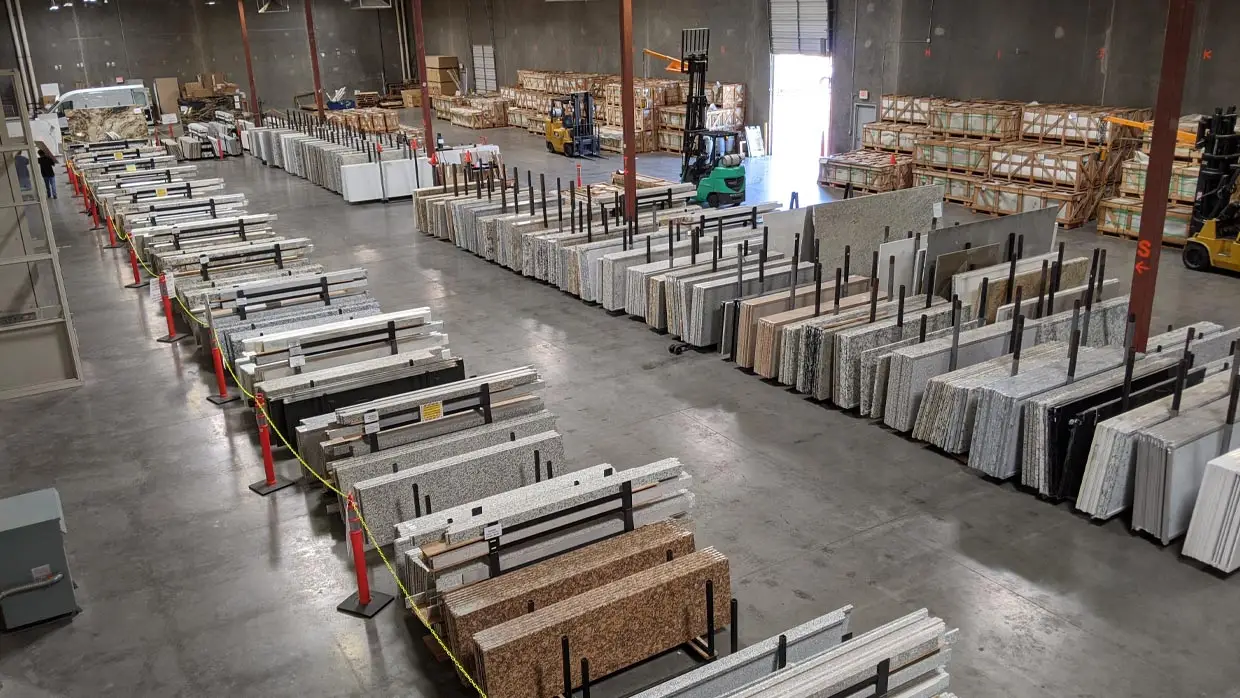
Compare Cabinet Styles in Person
Visit the Superior Stone & Cabinet showroom or call (602) 437-0088. Free in-home estimates throughout the Phoenix metro, with in-house designers and free 3D renderings. Explore the full cabinet selection or browse finished projects in the remodeling gallery.
Get Your Free EstimateKeep reading
Related articles
Cabinet door styles: Inset vs. Overlay vs Frameless
Expert advice on choosing between inset, overlay, and frameless cabinets to find the perfect vibe for your Phoenix home.
Cabinets · January 14, 2015Choose Between Framed and Frameless Kitchen Cabinets Phoenix has to Offer
Choose cabinetry that fits your needs! Learn how to make a choice from the wide range of framed and frameless kitchen cabinets Phoenix has to offer.
Cabinets · August 24, 2026Cabinets: Cabinet Color Trends 2026
Cabinet color trends 2026: deep greens, warm neutrals and moody blues. See what works in Phoenix light and book a free in-home estimate.
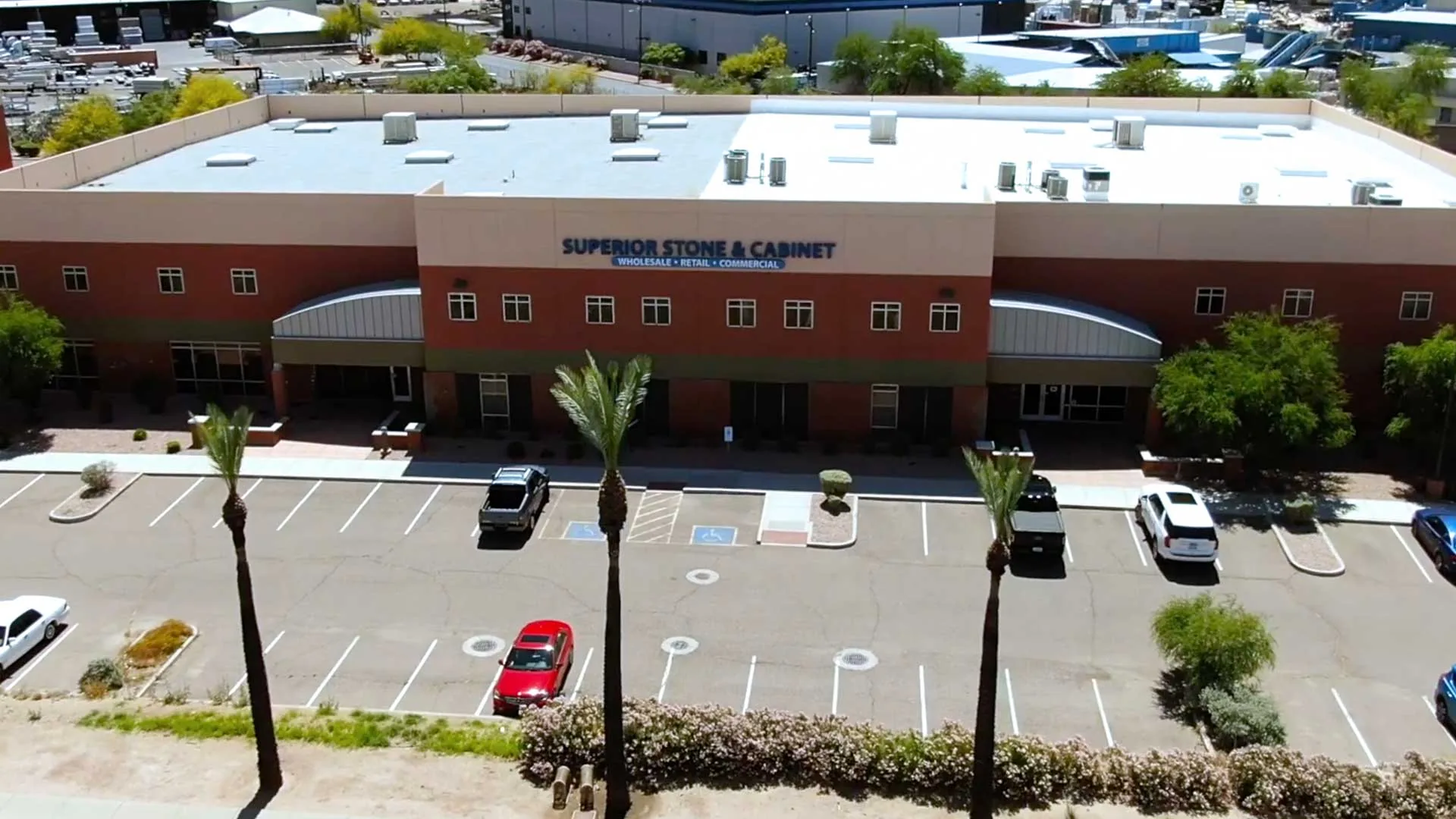
Visit the showroom & warehouse
See the cabinets in real kitchens.
Open the doors, compare door styles side by side, and talk with an on-site designer. No appointment needed.
| Mon – Fri | 8 am – 5 pm |
| Saturday | 10 am – 3 pm |
| Sunday | Closed |
| Warehouse pickup Mon–Fri 8 am – 3 pm | |