
On this page
Thinking about a kitchen remodel but worried about the cost? You're not alone. Kitchen renovations can get pricey fast, but with some smart planning, you can totally update your space without emptying your wallet. This article is all about Kitchen Remodeling on a budget, giving you practical tips and ideas to make your dream kitchen a reality.
Key Takeaways
- Set a clear budget before you start and stick to it.
- Focus on what really matters; prioritize essential upgrades.
- Get quotes from several contractors to compare prices.
- Consider doing some of the work yourself if you can.
- Look for ways to reuse or update existing materials instead of buying all new.
Smart Budgeting Strategies for Your Kitchen Remodel
Starting a kitchen remodel can feel overwhelming, especially when you're trying to keep costs down. But honestly, it doesn't have to be a budget-buster. The key is to be smart about your planning and your choices. Think of it like packing for a trip – you wouldn't just throw everything in a suitcase, right? You pick what you need and what fits. Your kitchen remodel is similar.
Establish Your Renovation Budget
First things first, figure out how much you can actually spend. Don't just guess. Look at your savings, see what you can comfortably borrow if needed, and set a realistic number. Experts often suggest spending between 5% and 15% of your home's value on a kitchen remodel. This gives you a solid starting point.
Prioritize Essential Features
Once you have your budget number, decide what's most important. Is it new cabinets? Better appliances? A different layout? Make a list and rank them. You might want a fancy new backsplash, but if your sink is leaking, that's probably a higher priority. Focus your funds on the must-haves first, and then see what's left for the nice-to-haves. It’s about getting the biggest bang for your buck where it counts.
Gather Multiple Contractor Quotes
Don't just call one contractor and go with them. It's like shopping around for anything else – you want to compare prices and services. Get at least three quotes from different contractors. This helps you understand the going rate for the work you need done and can save you a surprising amount of money. Make sure each quote is detailed so you know exactly what you're paying for.
Undertake DIY Tasks When Possible
Are you handy? Can you paint? Doing some of the work yourself can really cut down on labor costs. Just be honest about your skills. Tackling something way beyond your ability can end up costing you more in the long run if you have to hire someone to fix your mistakes. But for tasks like painting, demolition, or even installing simple shelving, DIY can be a real money-saver. It’s a great way to personalize your small kitchen remodel project too.
Maximize Savings with Strategic Choices
When you're trying to keep costs down on a kitchen remodel, thinking smart about your choices makes a big difference. You don't always need to replace everything to get a fresh look. Sometimes, a little creativity goes a long way.
Refurbish and Repurpose Existing Materials
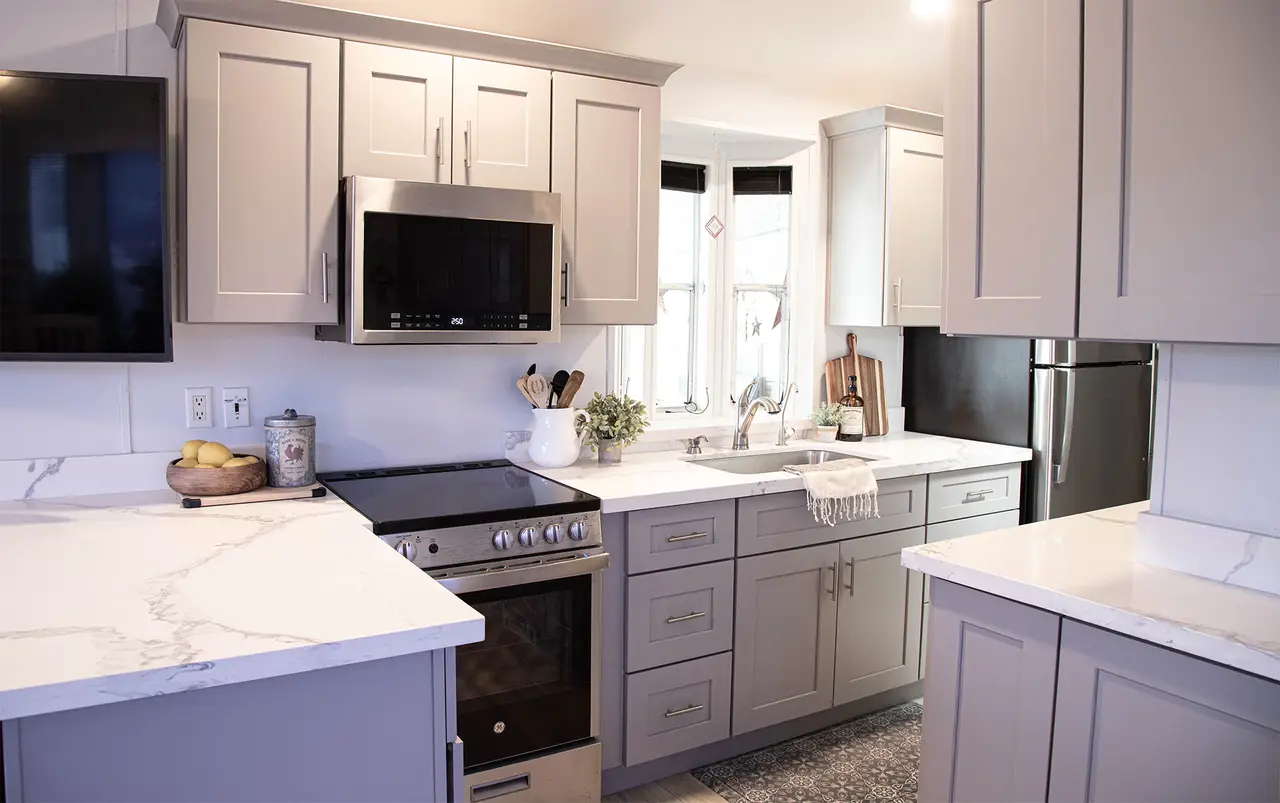
Before you buy new, take a good look at what you already have. Can your cabinets be painted or refaced instead of replaced? Refinishing existing materials is almost always cheaper than buying new ones. Think about your countertops, too. If they're in decent shape but just not your style, maybe a good cleaning or a resurfacing treatment is all they need. Even old furniture can be given a new life; an old dresser could become a charming kitchen island with a new top. Giving existing items a makeover can save you a ton of money.
Keep Your Kitchen Layout and Appliances
Changing the layout of your kitchen is usually the most expensive part of a remodel. Moving plumbing, electrical, and gas lines adds up fast. If your current layout works for you, stick with it. This means keeping your appliances where they are. Unless your fridge or stove is on its last legs, consider keeping it. You can always update the look of your appliances with a fresh coat of appliance paint or by adding stylish new hardware. This approach lets you focus your budget on cosmetic upgrades that have a big visual impact.
Opt for Cost-Effective Materials
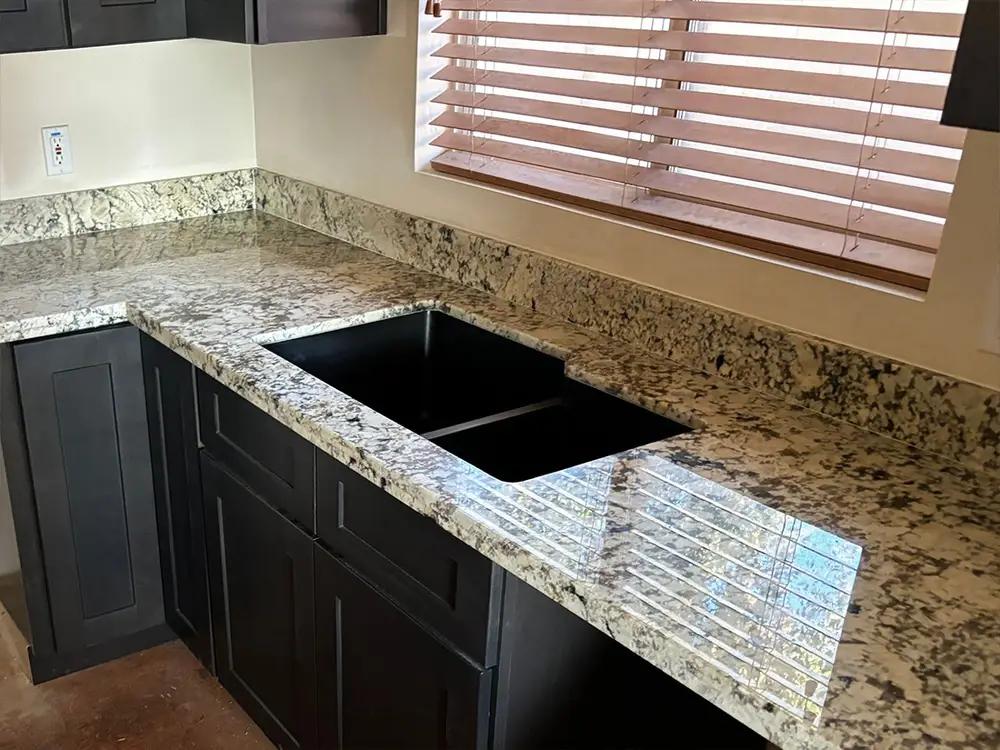
There are plenty of materials that look great but don't cost a fortune. For countertops, consider options like laminate, butcher block, or even solid surface materials that mimic more expensive stone. When it comes to flooring, vinyl or linoleum can offer durable and attractive choices that are much easier on the wallet than hardwood or natural stone. Even for backsplashes, you can find stylish ceramic tiles that are budget-friendly. Choosing wisely here means you can get a high-end look without the high-end price tag. For more ideas on affordable kitchen renovations, check out this guide on how to remodel your kitchen affordably.
Making smart material choices is key to staying on budget. Look for sales, compare prices, and don't be afraid to consider alternatives that offer similar aesthetics at a lower cost.
What customers say
Phoenix homeowners love the results.
Showed up at their showroom / warehouse… picked out a countertop easily, scheduled, installed 2 weeks later. PHENOMENAL quality of installation.
Matthew S. · GoogleWe were able to find a countertop that fit our larger island without any seams, and at a great price as well.
Doug M. · GoogleGreat selections with reasonable price and very helpful workers.
Han D. · Google







Cost-Effective Upgrades for a Fresh Look
You don't need to break the bank to give your kitchen a much-needed refresh. Sometimes, a few smart, targeted updates can make a world of difference. Think of it like a great haircut – it can change your whole look without a massive overhaul.
Paint and Save on Cabinets
Your cabinets are often the biggest visual element in the kitchen, so updating them can have a huge impact. Consider giving your existing cabinets a facelift with a fresh coat of paint if they are in good condition. This is a project you can often tackle yourself, saving on labor costs but a professional will get the job done right. Choosing a modern color, like a soft gray, a deep navy, or a classic white, can instantly make cabinets that feel dated look brand new. Don't forget to update the hardware too! New pulls and knobs are like the jewelry for your cabinets – a small change that really polishes the look. For an even more airy feel, you could even swap out some upper cabinet doors for open shelving. It’s a great way to display nice dishware and makes the space feel more open.
Splurge on a Quality Faucet
While you're saving money on cabinets, think about putting a little extra into a really nice faucet. This is one of those items that gets a lot of use, and a good quality one not only looks better but also functions more smoothly and lasts longer. It’s a small splurge that can really elevate the look and feel of your sink area. Plus, a stylish faucet can really tie the whole look of your kitchen together. It’s a smart place to invest a bit more because it’s a functional piece that also adds significant aesthetic value.
Implement Modest Yet Effective Upgrades
Beyond cabinets and faucets, there are other smaller changes that can make your kitchen feel brand new. Think about updating your lighting fixtures. New pendant lights over an island or updated under-cabinet lighting can dramatically change the mood and functionality of your kitchen. Even something as simple as a new backsplash or a fresh coat of paint on the walls can make a big difference. These kinds of updates are often budget-friendly and can be done relatively quickly, giving you a lot of bang for your buck. It’s all about making smart choices that add style without adding a lot of cost. For a quick kitchen update, consider modernizing your kitchen.
How to Budget Your Kitchen Renovation Effectively
Figuring out how much to spend on your kitchen remodel can feel like a puzzle, but it doesn't have to be overwhelming. A well-planned budget is your best friend when it comes to keeping costs in check. Think of it as a roadmap for your project. You need to know where you're going financially before you start tearing down walls or picking out tiles.
Set Your Overall Budget
First things first, decide on a total amount you're comfortable spending. A good starting point is to look at your home's value. Experts often suggest allocating between 5% and 15% of your home's worth to a kitchen renovation. For example, if your home is valued at $400,000, you might aim for a budget of $20,000 to $60,000. This gives you a ballpark figure to work with.
Allocate Funds Based on Priorities
Once you have your total budget, it's time to break it down. What's most important to you? Is it new cabinets, updated appliances, or maybe a better countertop? You'll want to assign specific amounts to each category. Here’s a sample breakdown, but remember to adjust it to your needs:
- Cabinets: 30%
- Appliances: 20%
- Countertops: 10%
- Flooring: 7%
- Backsplash: 5%
- Sink & Faucet: 5%
- Lighting: 5%
- Paint & Hardware: 3%
- Labor: 15%
This is just a guide, of course. If you find amazing deals on appliances, you might shift more money to cabinets. It’s all about making choices that fit your vision and your wallet. You can find great deals on kitchen renovation supplies if you shop around.
Account for Unexpected Expenses
No matter how carefully you plan, something unexpected can always pop up during a renovation. Maybe you discover some water damage behind a wall, or perhaps you decide you really need that extra outlet after all. It's smart to set aside a contingency fund, usually about 10% to 15% of your total budget, for these surprises. This buffer can save you a lot of stress and prevent you from going over budget when the unexpected happens.
Key Considerations for Kitchen Remodeling on a Budget
When you're thinking about remodeling your kitchen on a budget, there are a few big things to keep in mind. These aren't just small details; they can really affect how much you spend and how happy you are with the final result. Getting these right from the start makes a huge difference.
Scope of Your Remodel
First off, what exactly do you want to change? Are you just looking for a cosmetic refresh, or do you need to move plumbing, electrical, or walls? The bigger the changes, the more it's going to cost. Sticking to your current kitchen's footprint is usually the cheapest route. Think about what bothers you most and focus your budget there. Maybe new cabinet fronts or a different backsplash will do the trick, rather than a full gut job. Deciding on the scope early helps prevent budget creep.
Choice of Materials and Finishes
This is where you can save a lot, or spend a lot, very quickly. Countertops, flooring, backsplashes, and cabinet hardware all come in a huge range of prices. Instead of high-end granite, maybe a durable quartz or even a well-done laminate would work. For flooring, consider luxury vinyl planks instead of hardwood. Even small changes, like choosing a less expensive tile for your backsplash, can add up to significant savings. It’s all about finding materials that look good and last without costing a fortune. You can find great deals on kitchen remodel supplies if you shop around.
Labor Expenses and Professional Help
Labor is often the biggest chunk of the renovation budget. If you're comfortable with certain tasks, like painting cabinets or installing a new faucet, doing it yourself can save you a good amount of money. However, for things like electrical work, plumbing, or complex tile installation, it's usually best to hire a professional. Getting multiple quotes from different contractors is a smart move. Don't just go with the first one you talk to. Ask for detailed breakdowns of their costs so you know exactly what you're paying for. Sometimes, a slightly higher quote from a reputable contractor who is upfront about costs can save you headaches and unexpected bills down the line.
Remember, a budget remodel isn't about cutting corners on quality where it matters most. It's about making smart choices that give you the most impact for your money.
Wrapping Up Your Kitchen Remodel
So, you've seen that a kitchen makeover doesn't have to mean emptying your bank account. By focusing on smart choices, like painting cabinets instead of replacing them or keeping your current layout, you can make a big difference without spending a fortune. Remember to plan ahead, get a few quotes, and tackle what you can yourself. Your dream kitchen is totally within reach, even on a tighter budget.

Frequently Asked Questions
What are the best ways to save money during a kitchen remodel?
You can save money by keeping your kitchen's layout the same, which avoids moving plumbing and electrical wires. Also, consider painting or refinishing your existing cabinets instead of buying new ones. Picking less expensive materials like laminate for countertops can also cut costs.
How should I create a budget for my kitchen renovation?
Start by setting a clear total amount you can spend. Then, decide which parts of the kitchen are most important to you, like new appliances or better lighting. Allocate your money based on these priorities, and always set aside a little extra for unexpected issues.
Can I save money by doing some of the renovation work myself?
Yes, doing some work yourself can save a lot on labor costs. Tasks like painting walls, installing new cabinet hardware, or even assembling flat-pack cabinets are often manageable for beginners.
Should I always choose the cheapest materials available?
While it's tempting to buy the cheapest option, sometimes spending a bit more on key items like a good faucet or durable cabinet hinges can save you money in the long run because they'll last longer and require fewer repairs.
What does 'scope of your remodel' mean for my budget?
The scope means how much you plan to change. A small update like painting cabinets is less expensive than a full gut renovation that changes the kitchen's shape and moves appliances.
Why is it important to get multiple quotes from contractors?
Getting quotes from at least three different contractors is a smart move. This helps you compare prices and services, ensuring you get a fair deal and find someone you trust to do a good job within your budget.
Keep reading
Related articles
Remodeling Kitchen Cabinets – Functionality, Style and Design
Remodeling kitchen cabinets is one of our specialties here at Superior Stone & Cabinet. Learn more about our remodeling process and cabinet options.
Remodeling · July 17, 2014Remodeling Your Kitchen without Straining Your Budget
Want to remodel your kitchen? Use the advice in this article to do it while keeping your budget under control.
Cabinets · September 3, 2025What kitchen cabinets are in style right now?
Here are the top kitchen trends, what you need to know about kitchen cabinets, and what cabinet colors are in style right now.

Visit the showroom & warehouse
Start your remodel with a visit.
See materials in person and talk with an on-site designer about design, materials and installation, all in one place. No appointment needed.
| Mon – Fri | 8 am – 5 pm |
| Saturday | 10 am – 3 pm |
| Sunday | Closed |
| Warehouse pickup Mon–Fri 8 am – 3 pm | |