
On this page
The process of finding the right contractor requires careful consideration. Our research shows that top professionals with over five years of experience stay booked two to four months ahead. You should be cautious of contractors who claim immediate availability - this often signals potential issues.
Smart homeowners gather written estimates from at least three contractors before making any commitments. The contractor's qualifications extend beyond just price comparisons. You need proof of proper insurance and bonding through a certificate that details their policy coverage.
This piece will help you navigate the contractor hiring process effectively. Your renovation project - whether small updates or major changes - needs the right professional to succeed. Let's head over to the steps that will help you find a dependable contractor who can bring your ideas to life.
Set Realistic Expectations Before You Start
Starting your dream home renovation needs the right mindset. Many homeowners don't realize what construction projects really involve. This lack of understanding creates frustration and disappointment. Your relationship with the contractor needs clear communication and realistic expectations about money and time.
Why fast and cheap often guides you to poor results
That low bid might look great at first. But let's look at what those savings really cost you. Picking the cheapest contractor will cost you more in the long run through repairs, replacements, and hidden fees. What seems like a good deal now can turn into a financial nightmare later.
Low-cost contractors usually cut corners in three key areas:
- Materials: Lower bids mean lower quality materials that warp, crack, or break too soon. Quality materials last longer and need fewer replacements.
- Labor: Budget contractors hire inexperienced workers to save on wages. Poor workmanship leads to expensive repairs that wipe out any savings.
- Project Planning: Poor planning causes budget overruns and delays. Low bids leave out important items. Change orders pile up within weeks and push final costs way above the first estimate.
These contractors often take on too many jobs at once. They spread their crews too thin and turn simple home improvements into endless projects. You'll face endless problems - nobody answers your calls, workers don't show up, and material delays get blamed on vague "supply chain issues".
Choosing a cheap contractor puts you at risk. Inexperienced or unlicensed contractors might leave you facing fines or legal problems if accidents happen on your property.
Understanding contractor availability and timelines
Good contractors with solid reputations stay busy. You can't expect them to start right away. Industry standards show custom home builders need three to five months for design and six to eight months to build.
Getting the timeline right makes all the difference. Professional contractors look at your project's size, complexity, and available resources to create schedules with clear milestones.
Project times vary based on type:
- Kitchen update: 6-10 weeks
- Full kitchen renovation: 12-16 weeks
- Bathroom remodel: 10-14 weeks
- Basement finishing: 12-16 weeks
- Room additions: 4-6 months
- Whole house projects: 6-12 months
- Outdoor living spaces: 3-6 months
Great contractor relationships need honest talk about goals and schedules. Ask potential contractors to show you weekly and daily breakdowns. This helps you understand each phase's duration.
Things can still go wrong despite careful planning. Permit delays, bad weather, or surprise issues pop up. Adding a 10-15% time buffer to your renovation timeline helps you stay calm when challenges appear.
Your contractor should give you detailed project timelines in the contract. They need to tell you about delays right away instead of leaving you in the dark.
Clear expectations about cost and time create positive renovation experiences. Good planning and communication from day one prevent the frustration of mismatched expectations during your project.
How to Find a Good Contractor
Finding a good contractor for your home project can feel overwhelming. A step-by-step approach will help you spot reliable professionals and avoid getting scammed.
Ask for referrals from friends and neighbors
Getting personal recommendations is the quickest way to find trustworthy contractors. Friends and family will give you honest, unfiltered opinions about work quality, reliability, and professionalism. Their real-life experiences tell you more than any online review.
Look at finished projects in your neighborhood. You might spot an attractive renovation or addition - just knock on the door and ask about their contractor experience. This lets you see the actual quality of work while getting genuine feedback.
Don't just collect names. Ask specific questions about:
- Overall satisfaction with the finished project
- Communication style throughout the process
- Sticking to budget and timeline commitments
- How they handled problems that came up
- Whether they'd hire the same contractor again
Many contractors build their business through neighborhood referrals. The best professionals often work on several homes in the same area after doing great work for their first clients.
Use professional associations and local resources
Professional associations are great places to find qualified contractors who follow industry standards. Organizations like the National Association of the Remodeling Industry (NARI) and National Association of Home Builders (NAHB) have directories of vetted professionals.
Contractors who join these associations show their commitment to learning and professional growth. These groups often run certification programs that require members to meet specific standards.
Professional directories work well, but don't stop there. Building inspectors know which contractors meet code requirements consistently. Local lumberyard staff can tell you who buys quality materials and pays bills on time.
The Better Business Bureau is another helpful resource. Their directory lets you filter for "BBB Accredited Businesses" – companies that meet ethical business standards. BBB also checks customer reviews for accuracy, unlike many other platforms.
Avoid door-to-door offers and unverified ads
Stay away from contractors who knock on your door to sell services. The Federal Trade Commission warns these people often use deceptive, high-pressure tactics to sell expensive and sometimes poor-quality services. Good contractors don't need to knock on doors - they usually have full schedules from referrals and regular marketing.
Watch out for these warning signs:
- Pushing you to act fast on "limited time offers"
- Promising "free" equipment that needs pricey contracts
- Using scare tactics about break-ins or disasters
- Saying they're replacing your security system when installing new ones
- Claiming your current security company went out of business
Check credentials before working with any contractor. Ask for their full name, business address, phone number, and license information. Then verify everything with your state attorney general's office, local consumer protection agency, and state licensing officials.
Online searches should focus on contractors who belong to professional organizations rather than picking the first result. Very low bids usually mean cut corners or cheap materials. Get at least three different estimates to know what's a fair price.
These precautions and thorough research will substantially improve your chances of finding a reliable professional for your home improvement project.
What customers say
Phoenix homeowners love the results.
Showed up at their showroom / warehouse… picked out a countertop easily, scheduled, installed 2 weeks later. PHENOMENAL quality of installation.
Matthew S. · GoogleWe were able to find a countertop that fit our larger island without any seams, and at a great price as well.
Doug M. · GoogleGreat selections with reasonable price and very helpful workers.
Han D. · Google




What to Look for in a Contractor
Choosing a qualified contractor requires more than just comparing prices. You need to verify credentials and review past performance to ensure your project succeeds.
Check licenses and insurance
A proper license shows a contractor's legitimacy and simple competence in their field. Each state has different requirements, so check with your local licensing board to verify a contractor's status. Your larger projects need the contractor's license number as standard practice. You should visit your state's licensing website to confirm their active credentials in good standing.
Insurance verification protects you from liability. Contractors must carry both general liability insurance and workers' compensation coverage. Liability insurance covers potential damage to your home from mistakes or accidents, and workers' compensation protects you if workers get injured on your property. Request a current certificate of insurance and contact the provider to verify the policy stays active through your project.
Review past work and client references
Quality contractors proudly show their well-laid-out portfolio with high-quality photographs, detailed project descriptions, and client testimonials. These documents give you the original insight into their capabilities and attention to detail.
Client conversations provide a great view that photographs cannot capture. Ask these questions to references:
- Did they complete the project within budget and on schedule?
- How did they handle unexpected issues?
- Would you hire them again?
To get a full picture, ask for references from ongoing projects, recently completed work, and projects finished several months ago. This variety helps you assess both immediate quality and long-term durability.
Visit current job sites if possible
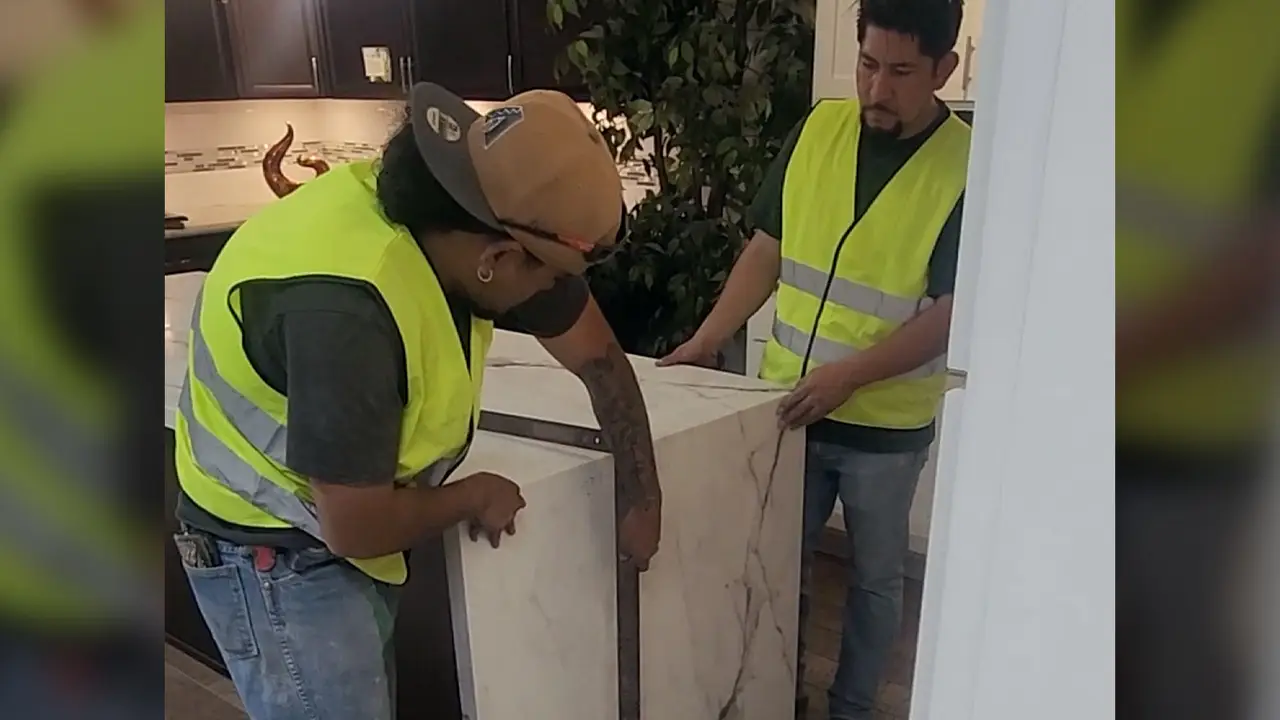
Active work site visits give you maybe even the most authentic assessment of a contractor's capabilities. These visits let you review organization, safety practices, and general workmanship quality. A well-managed site shows the contractor's professionalism and attention to detail.
Watch how the contractor interacts with their crew at the time of your visit. Their interaction style indicates how well they'll manage your project. Look for an orderly site and proper safety protocols.
Keep in mind that project references are critical verification tools. They show real evidence of capability that goes way beyond the reach and influence of sales pitches or advertisements. Contractors who arrange these visits usually feel confident about their work quality.
Interviewing and Comparing Contractors
The interview phase starts after you spot potential contractors. Your success depends on asking the right questions and weighing the answers carefully.
Questions to ask during phone interviews
Phone interviews help you screen candidates quickly. Start by asking how long they've been in business and what experience they have with projects like yours. Then ask about their license, insurance coverage, and bonding status to protect yourself.
These questions should be on your list:
- "What's your timeline for starting and completing this project?"
- "How do you handle payment schedules?"
- "Will you get all needed permits and schedule inspections?"
- "Who will be my main point of contact throughout the project?"
You should also ask how they plan to communicate and update you to make sure your expectations line up from day one. Construction creates mess and disruption, so discuss their plans to protect your property and keep the site clean.
Red flags to watch out for
You can avoid getting burned by spotting warning signs early. Watch out for contractors who want large down payments before starting work - this often spells trouble. Contracts should raise red flags if they lack specific details about work scope, payment schedules, and timelines.
Bad communication now means worse communication later. A contractor who's hard to reach or gives vague answers will likely become even harder to work with once the project starts.
Stay away from contractors who keep changing their business names - they might be hiding a trail of unhappy customers. Also be careful with those who tell you to get permits yourself or claim you don't need them - these are not professional practices.
How to compare bids fairly
You need consistent criteria to compare bids properly. Create a standard form for contractors to fill out that breaks down each part of the job and its cost. Then make an analysis sheet with materials and labor listed on the left and each contractor's bid across the top.
The bottom-line price isn't everything. Look for big differences between bids – unusually low numbers might mean they haven't assessed all the work, while much higher bids could include unnecessary tasks.
Note that detailed bids usually give you a more accurate picture. Be careful with bids that include many allowances (estimated costs) since these often lead to extra expenses later. Make sure you ask specific questions about any unclear items or price differences before making your choice.
Finalizing the Contract and Payment Terms
People often rush through paperwork, but good documentation prevents misunderstandings that can get pricey later.
What to include in a written contract
Your written agreement needs complete details that protect both parties. These significant elements include:
- Complete project description with materials specifications
- Clear start and completion dates
- Contractor's license number and contact information
- Detailed payment schedule with specific amounts
- Permit responsibilities (contractor should get these)
- Change order procedures
- Dispute resolution mechanisms
Never sign contracts with blank spaces. Many states require this warning in bold type.
Setting a fair payment schedule
A good payment schedule protects you while giving contractors the funds they need to operate. Your original payment should not exceed one-third of the total cost or special-order material expenses. Make the final payment only after you're satisfied with the work.
Link payments to project milestones rather than random dates. Contractors will finish each stage properly when they know payment depends on completion.
Handling changes and disputes
Changes will happen even with careful planning. Your change orders need proper documentation that includes:
- Description of the modification
- Cost impact (increase or decrease)
- Timeline adjustments
- Signatures from both parties
Clear contract language should spell out how to resolve disputes before going to court. Many contracts use mediation or arbitration clauses. This saves time and helps maintain good relationships.
Conclusion
Hiring the right contractor can mean the difference between a smooth renovation and a nightmare that gets pricey. This piece explores key strategies to protect your investment and ensure quality work.
Your project's success starts with realistic expectations about costs and timelines. Note that quality professionals usually book months ahead, and the lowest bids often create expensive problems down the road.
Finding reliable contractors takes thorough research. Your best leads come from personal referrals, while professional associations help verify credentials. You should stay wary of door-to-door sales pitches and suspiciously low bids.
The hiring process demands proper verification. Check licenses, insurance coverage, and references before you commit to anyone. Current job sites give you the best picture of a contractor's skills and work quality.
Watch communication styles, detailed proposals, and warning signs during interviews. Your relationship with the contractor will span weeks or months, so clear communication becomes vital throughout the project.
Detailed contracts protect everyone and prevent confusion. Your payment schedule should balance protection with the contractor's needs, while proper change procedures help manage adjustments that pop up during construction.
Finding the right contractor takes effort early on, but this time investment saves you from headaches, surprise costs, and letdowns later. Your careful selection helps turn renovation dreams into beautiful, lasting results.
Key Takeaways
Smart contractor selection protects your investment and ensures quality results. Here are the essential strategies every homeowner needs to know:
• Avoid the cheapest bid trap - Low-cost contractors typically cut corners on materials, labor, and planning, leading to expensive repairs that eliminate initial savings.
• Quality contractors book 2-4 months ahead - Professionals with strong reputations maintain full schedules; immediate availability often signals red flags.
• Verify credentials before signing anything - Always check licenses, insurance certificates, and references from recent projects to protect yourself from liability and poor workmanship.
• Get detailed written contracts with milestone payments - Never pay large sums upfront; structure payments around completed project phases rather than arbitrary dates.
• Personal referrals beat online reviews - Ask neighbors about their contractor experiences and visit completed projects to see actual work quality firsthand.
Remember that materials only account for 40% of renovation costs - the remaining 60% goes toward labor and contractor margins. Taking time to properly vet contractors upfront prevents the costly mistakes that turn dream renovations into financial nightmares.
FAQs
How many estimates should I get before hiring a contractor?
It's recommended to get at least 3 estimates from different contractors. This allows you to compare prices, approaches, and communication styles. Be wary if one estimate is significantly lower or higher than the others.
Should I pay a contractor upfront?
Generally, you should not pay the full amount upfront. A common practice is to pay a portion (often around 25-30%) as a down payment, with the remainder paid in installments as work progresses. The final payment should only be made once the job is completed to your satisfaction.
How can I verify a contractor's credentials?
Check the contractor's license and insurance status with your local licensing board. Ask for proof of insurance and bonding. You can also request references from recent clients and, if possible, visit current job sites to assess their work quality and professionalism.
What should be included in a contractor's written agreement?
A comprehensive written agreement should include a detailed scope of work, materials specifications, start and completion dates, payment schedule, permit responsibilities, and procedures for handling changes or disputes. Make sure everything discussed is put in writing to avoid misunderstandings.
What are some red flags to watch out for when hiring a contractor?
Be cautious of contractors who pressure you to decide immediately, refuse to provide a written contract, ask for large upfront payments, or suggest avoiding permits. Also, be wary of those who offer significantly lower bids than others or cannot provide verifiable references and credentials.
Keep reading
Related articles
Bathroom Cabinet Installation: The Ultimate Guide for Homeowners
You'll learn how to install a bathroom vanity correctly, whether you're tackling bathroom vanity replacement yourself or hiring professionals.
Quartz · January 2, 2025Complete Guide to Home Remodeling for Every Room and Purpose
In this comprehensive guide, we’ll walk you through the essentials of remodeling every room in your house, tailored to various purposes and styles.
Granite Counters · April 2, 2024A First-Time Buyer's Guide to Stone Countertops
If you’re a first-time buyer, you may be wondering whether stone counters are worth the installation—and the price tag.

Visit the showroom & warehouse
Planning a commercial project?
Walk the warehouse, see materials in person, and talk through your project with our team.
| Mon – Fri | 8 am – 5 pm |
| Saturday | 10 am – 3 pm |
| Sunday | Closed |
| Warehouse pickup Mon–Fri 8 am – 3 pm | |